
800 million people can’t see this clearly…
…which undermines their ability to work, earn, and help their local economies thrive.
Vision Action Fund builds self-sustaining markets for near-vision correction that reconnect people with their livelihoods — unlocking the full potential of the communities most in need.
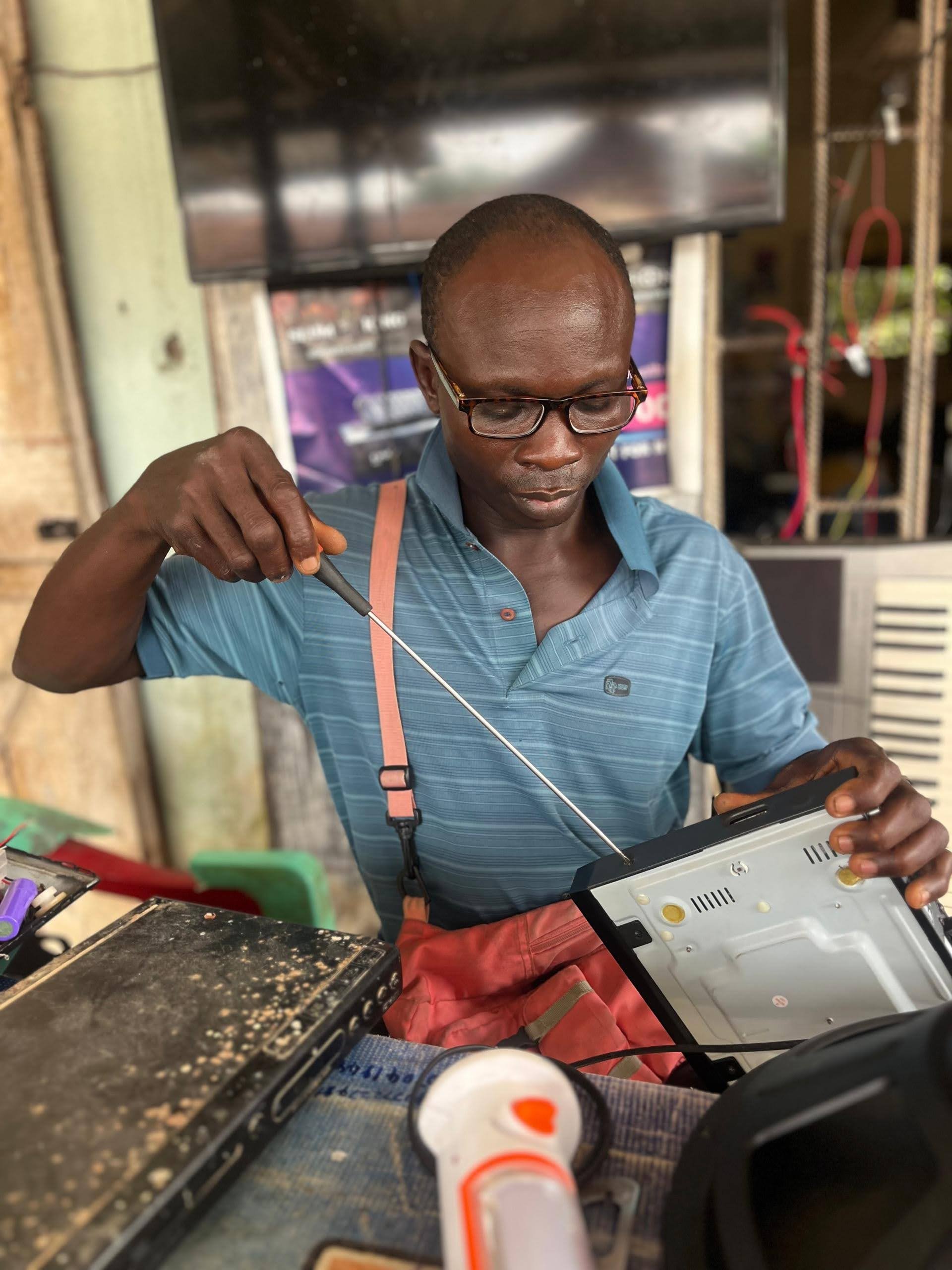
Access to eyeglasses is not a luxury. It is an economic lifeline.
Age-related near-vision loss affects over 1.8 billion people worldwide and nearly every adult over the age of 40 during what should be the most economically productive years of their lives. Left uncorrected, it costs people the most foundational aspects of their livelihoods, including their income and independence. More than 800 million people cannot access the simple fix: a pair of reading glasses.
Overlooked. Underfunded.
Solvable.
For under $3 per person at scale.
Despite the enormous scale of the problem, uncorrected near-vision loss remains one of the most neglected global productivity challenges.
Awareness gaps, outdated regulations, and immature markets prevent people from getting the glasses they need in the places where they would have the most impact.
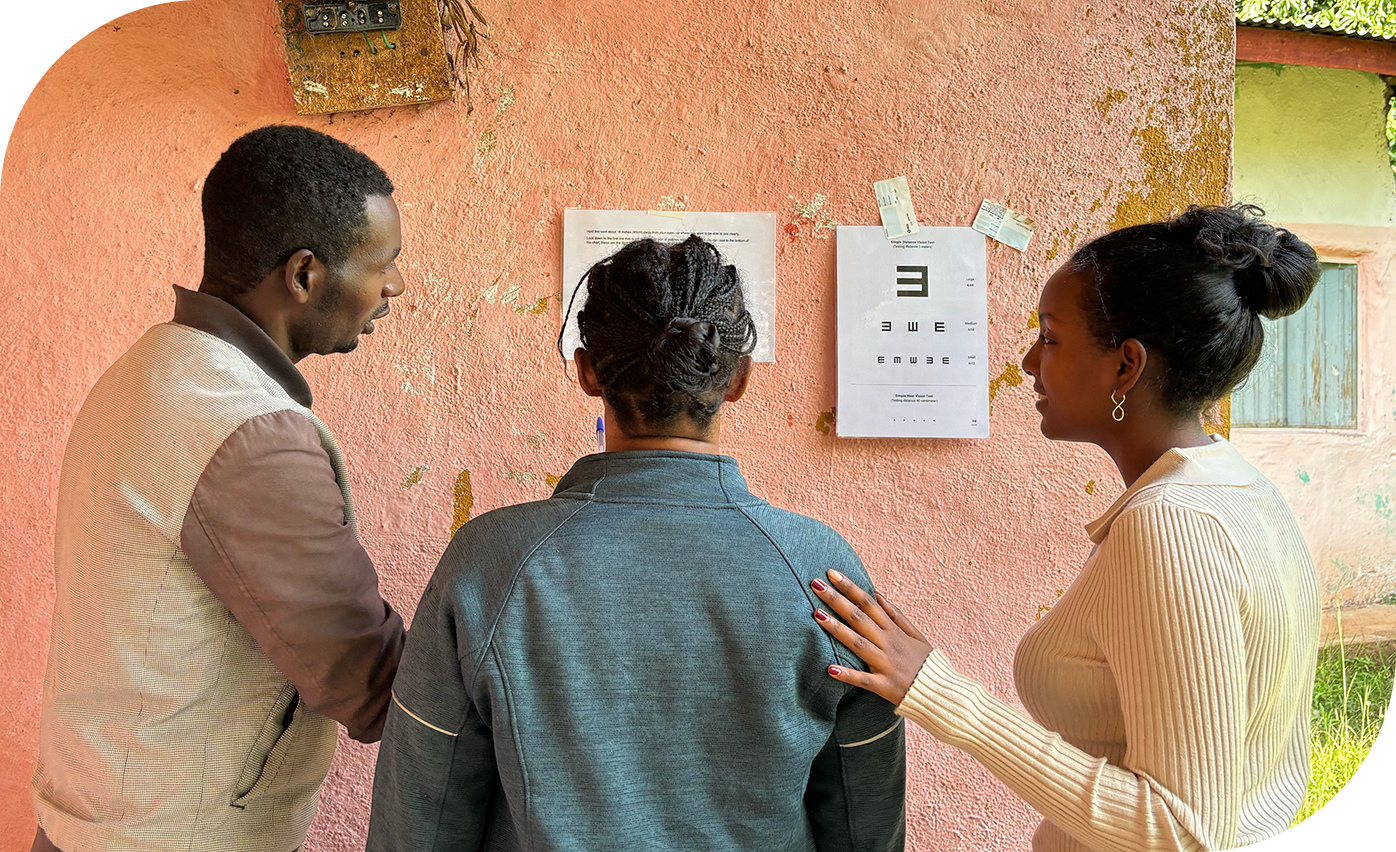
Since 2023, Vision Action Fund has streamlined distribution models to cut costs from pilots that began at $5 to moving glasses from factory to face at $3 through sustainable public, private, and NGO delivery channels.
Philanthropy with an exit strategy: Building sustainable markets and changing the lives of millions
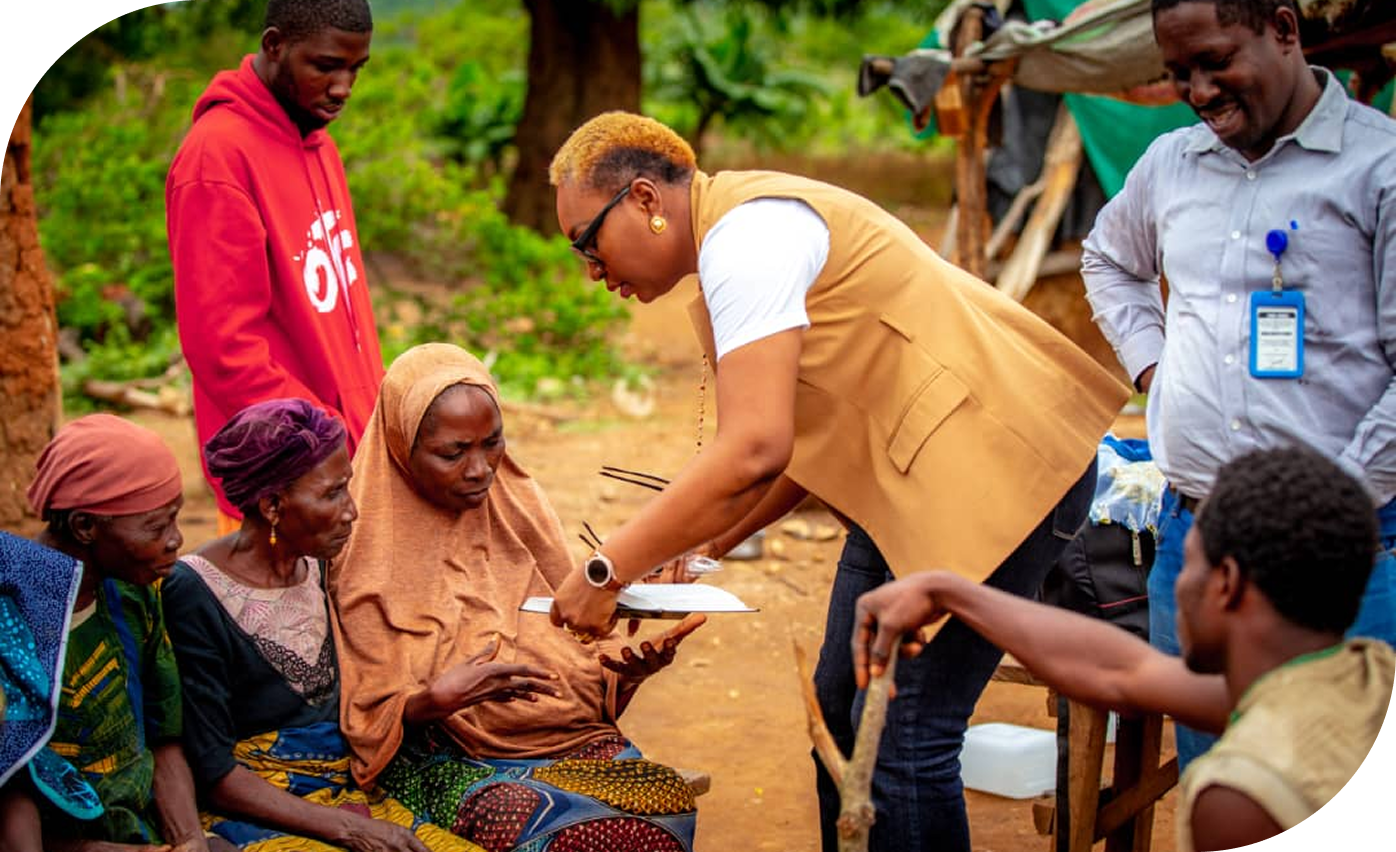
Vision Action Fund, incubated by the Livelihood Impact Fund, partners with governments, health systems, NGO networks, and private distributors to unlock public and private investment. Together, we build self-sustaining markets for near-vision correction to outlast the philanthropic capital that started them.
The evidence shows that philanthropy does not need to pay for every pair forever. Once people experience the value of reading glasses, over 60% go on to purchase a subsequent pair — even among people living at or just above the poverty line of $3/day. By using philanthropic capital to overcome the barriers to a first pair, we can build awareness, demand, and distribution systems that enable governments and markets to carry access forward long after the initial philanthropic investment.
The most cost-effective global productivity tool — hiding in plain sight.
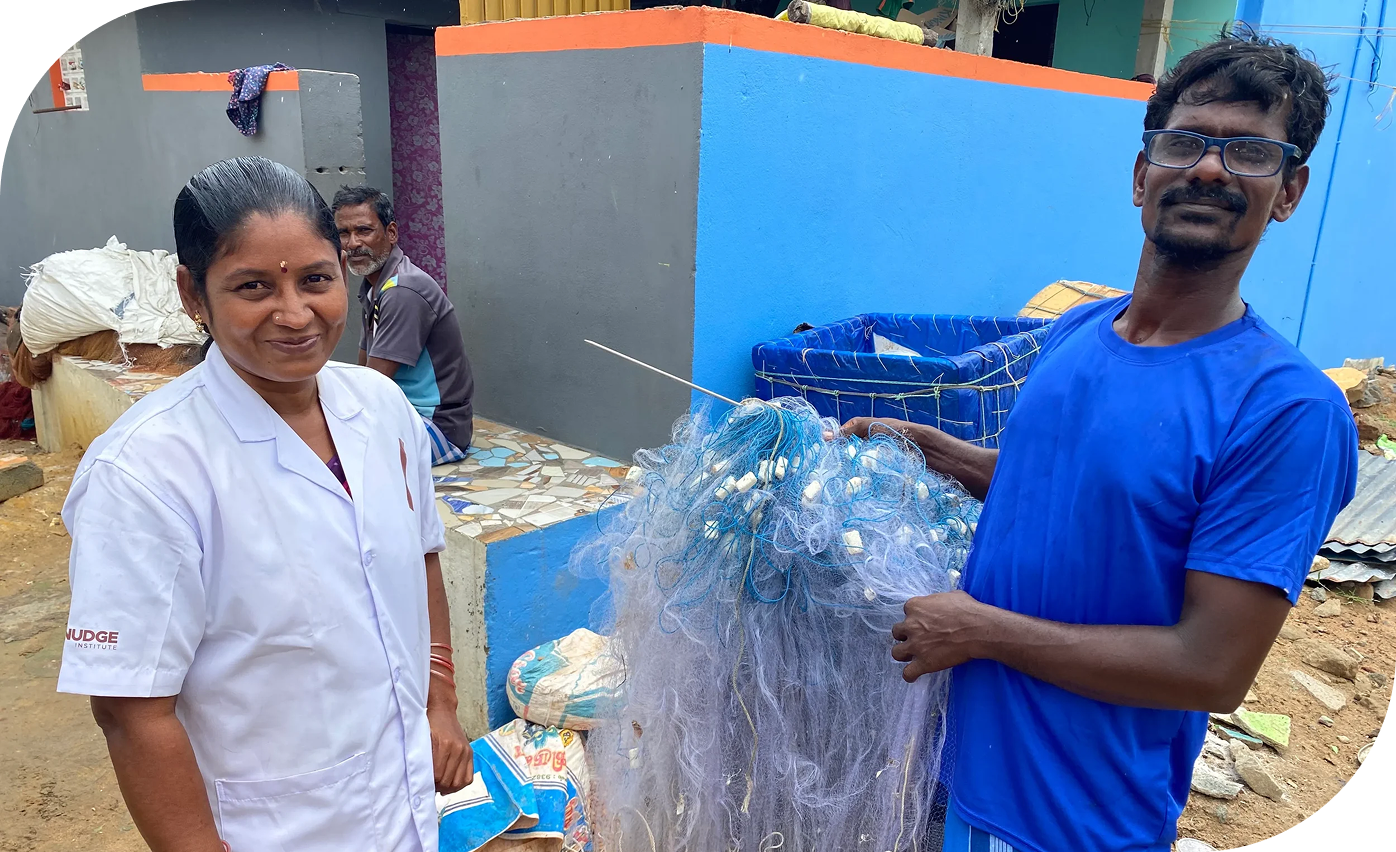
Uncorrected near-vision loss functions as a hidden wage penalty, suppressing earnings and output for hundreds of millions of workers. Without correction, near-vision loss is more than an absence of near vision. It deprives a tailor of threading a needle, a farmer of picking tea leaves, and a shopkeeper of making change.
At the macro level, the economic impacts are massive, with losses estimated at $54B among low- and middle-income countries each year.

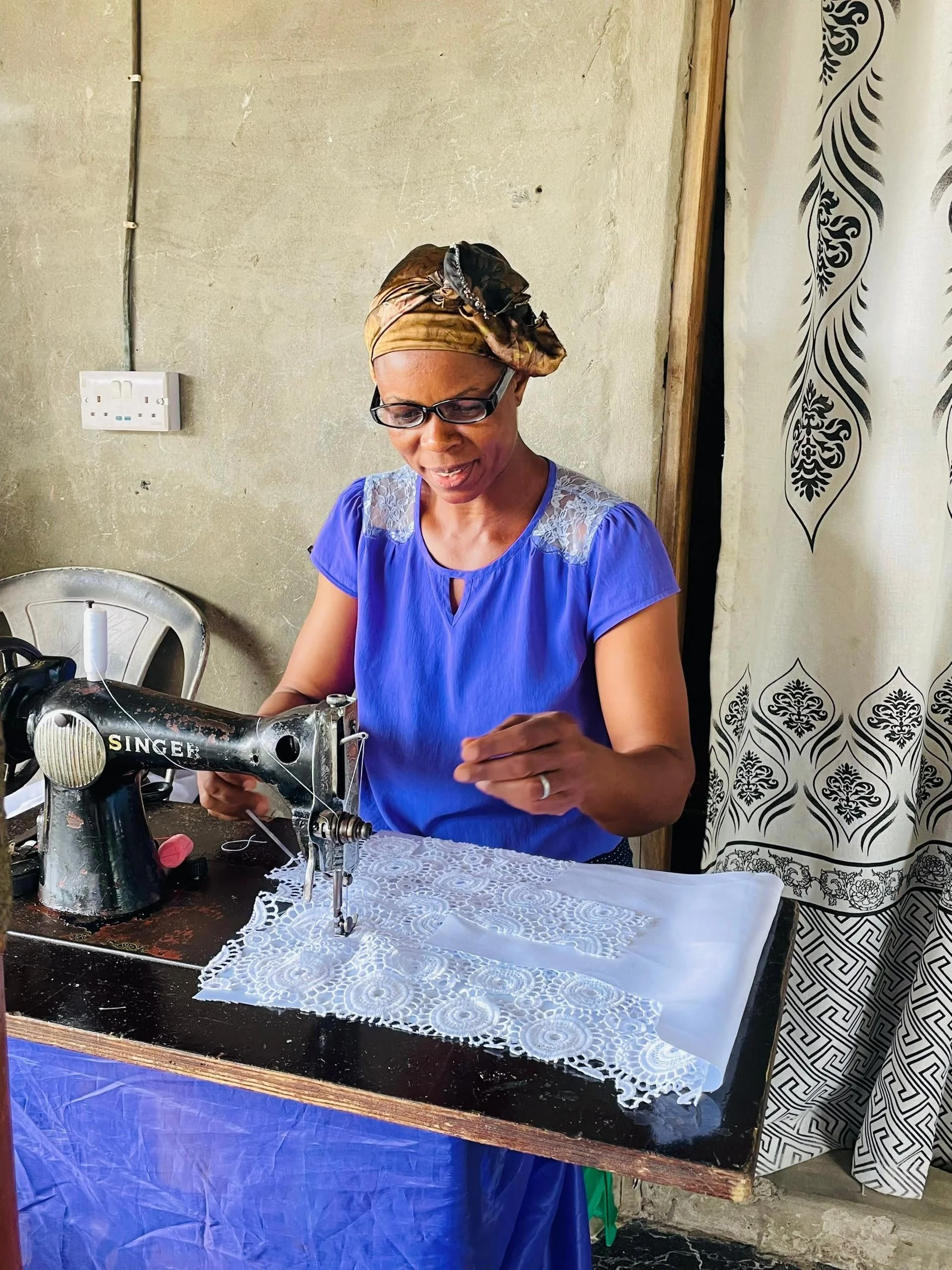

We have the potential to change the lives of millions.
Vision Action Fund deploys time-bound philanthropy to activate demand for reading glasses, support government systems that institutionalize access, and catalyze a self-sustaining private market.
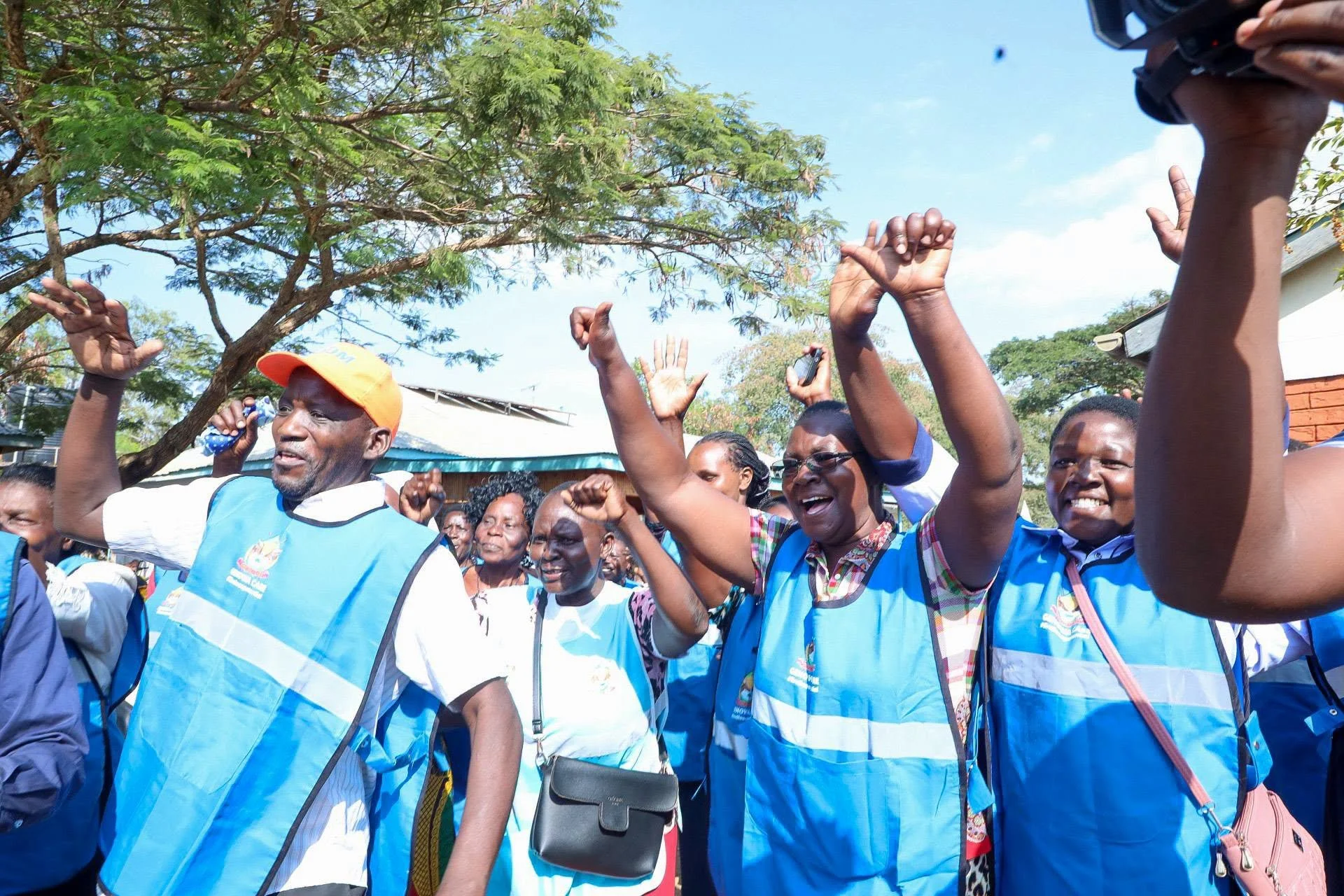
Solving near-vision loss is one of the highest-return yet most overlooked opportunities in philanthropy today.

Playbooks and Case Studies
Partners and Funders