
Measurement, Evaluation, and Learning
Our approach is central to understanding how access to reading glasses changes lives.
Purpose
Measurement is how we test our theory of change.
Vision Action Fund believes a one-time philanthropic investment — in demand generation, policy reform, and market development — can make reading glasses a routine, self-sustaining part of life in low- and middle-income countries. This leads to lasting gains in vision, income, and wellbeing without ongoing reliance on philanthropy. Our approach to measurement, evaluation, and learning is how we hold that belief to account.
Partners and Governments
We support partners and governments to build practical, country-owned approaches to monitoring, evaluation, and learning.

Evidence
We build and share evidence of what works, including: cost-effective delivery channels, demand generation strategies, household-level impacts, and return on investment.
Accountability
We track our progress transparently against our targets, and hold ourselves accountable to funders, partners, and the communities we serve.

We help partners and governments build data systems they own.
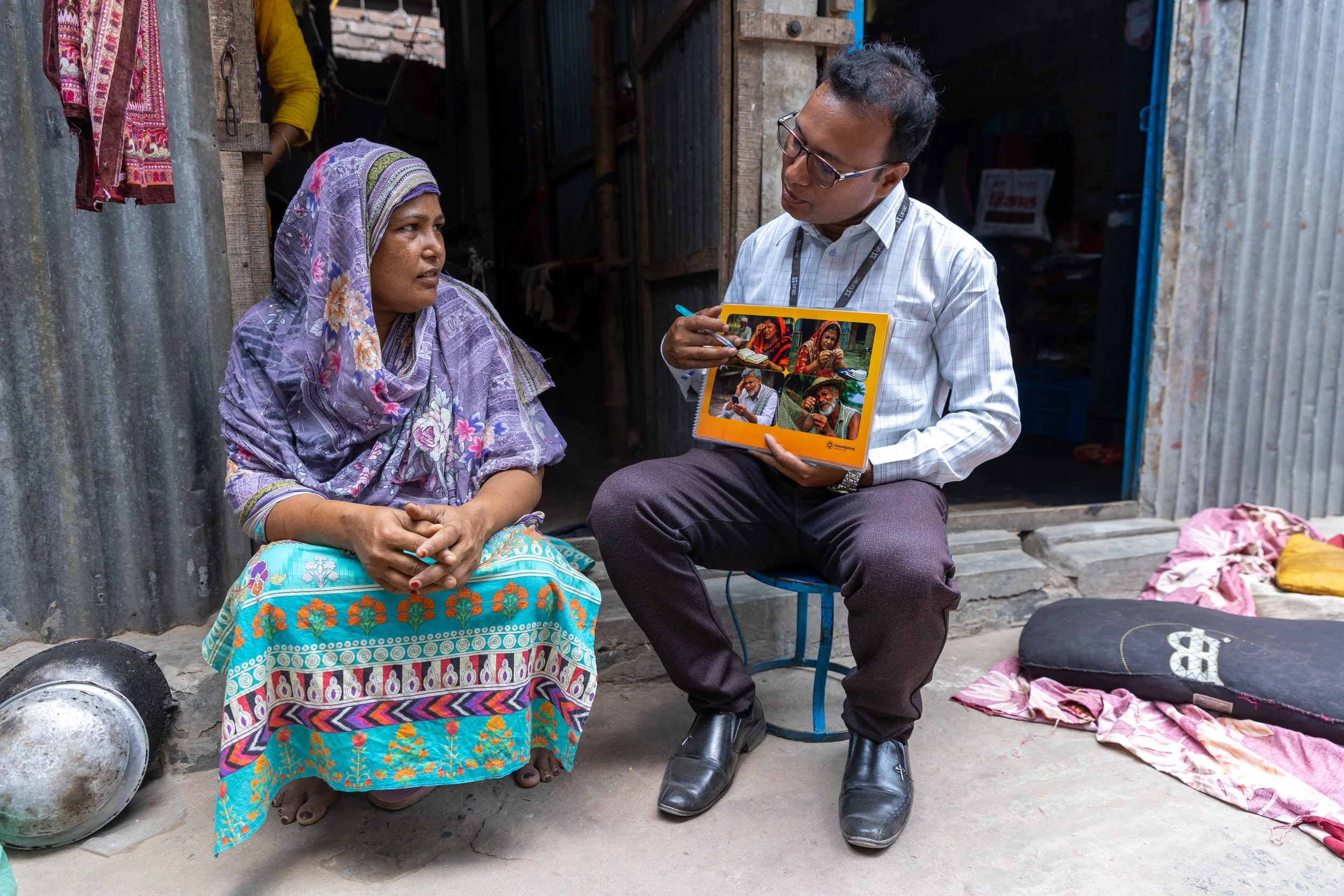
Governments and local partners should own eye care data for the long term. Rather than building parallel, donor-facing reporting systems, we help partners design measurement approaches that live inside national health systems and serve country decision-making first. This materializes as intake forms a community health worker can complete in minutes, dashboards a county records office can pull from directly, and training that treats data collection as part of service delivery instead of an add-on.
Across our portfolio, partners track six categories of metrics.
01. Activation
Government approvals, protocols, and materials in place to launch screening and distribution.
02.
Training
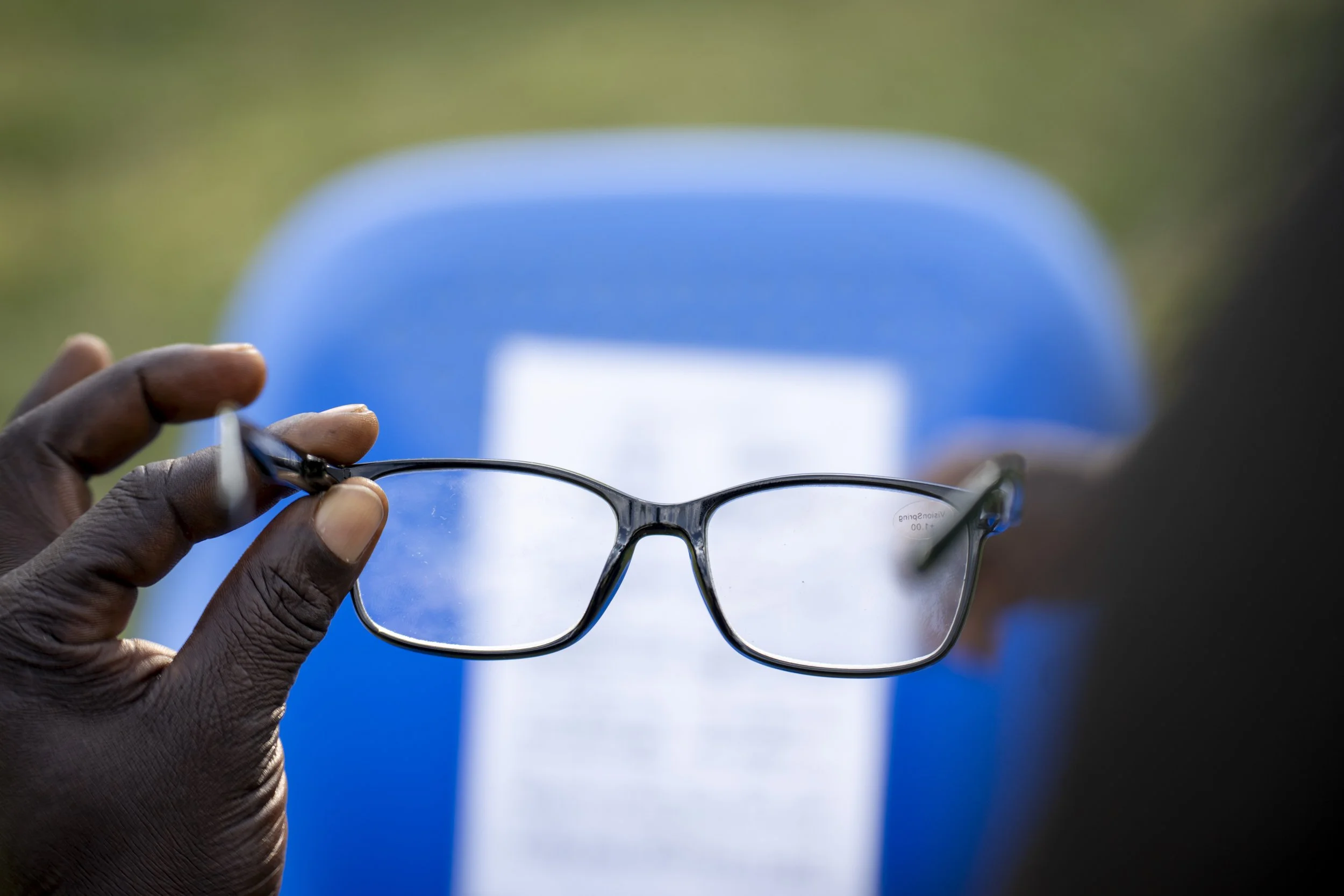
Health workers, pharmacy staff, and NGO teams equipped to screen for near-vision loss and dispense glasses.
03.
Demand Generation
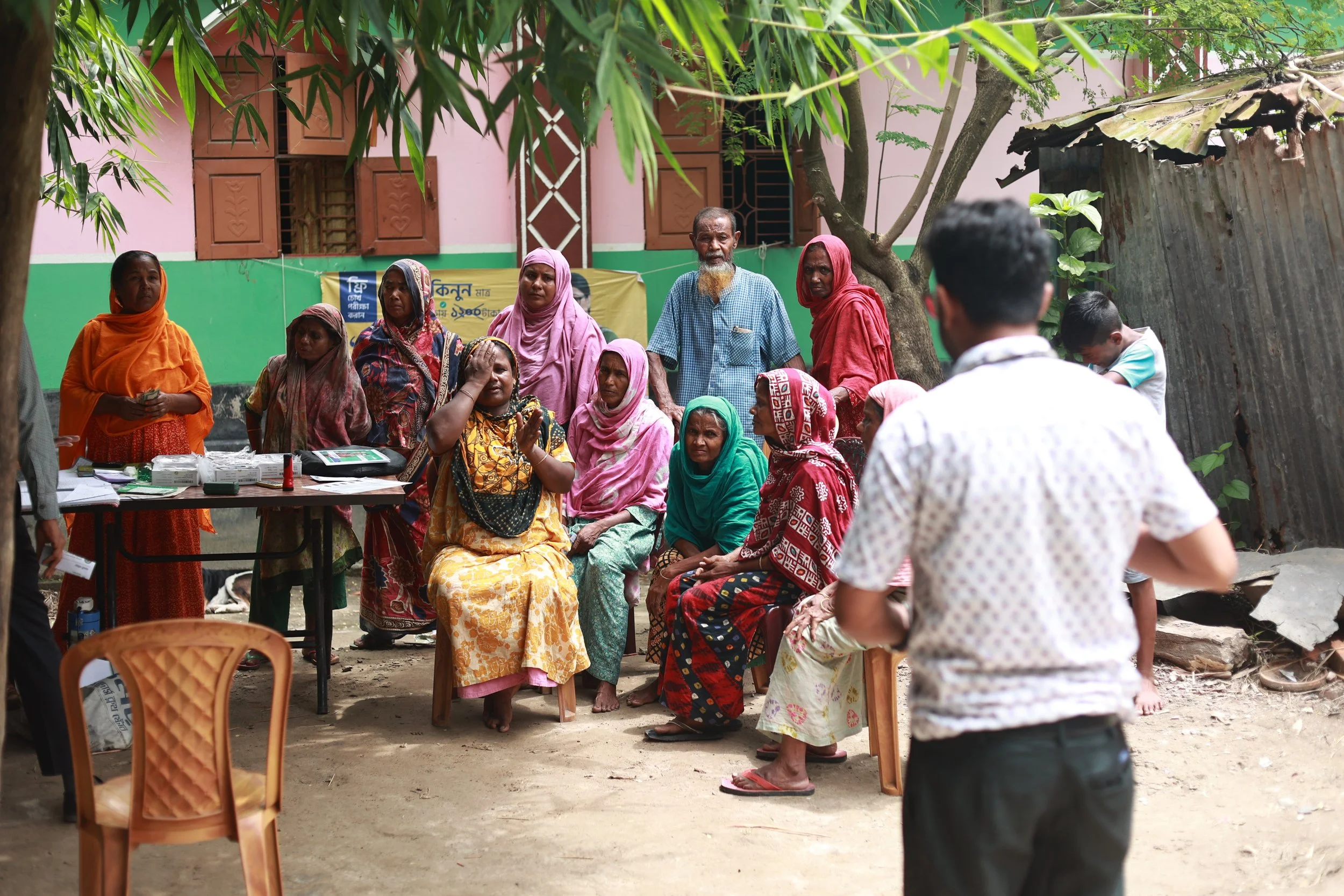
Awareness activities that teach communities near-vision loss is common and correctable, and where they can be screened and fitted for glasses.
04.
Screening and Distribution
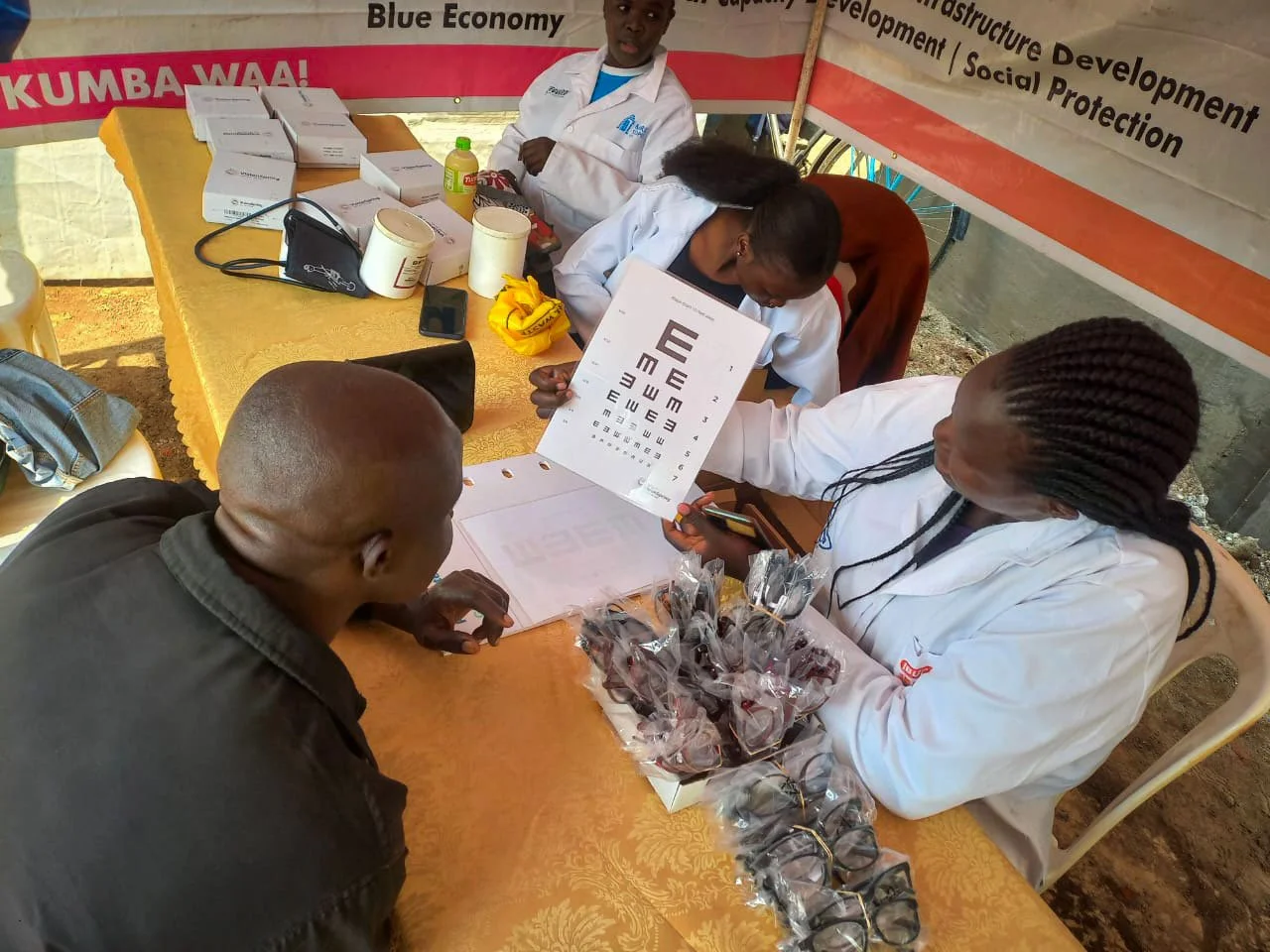
People screened, glasses dispensed by channel, first-time wearers reached, and referrals made for additional care.
05.
Unit Economics
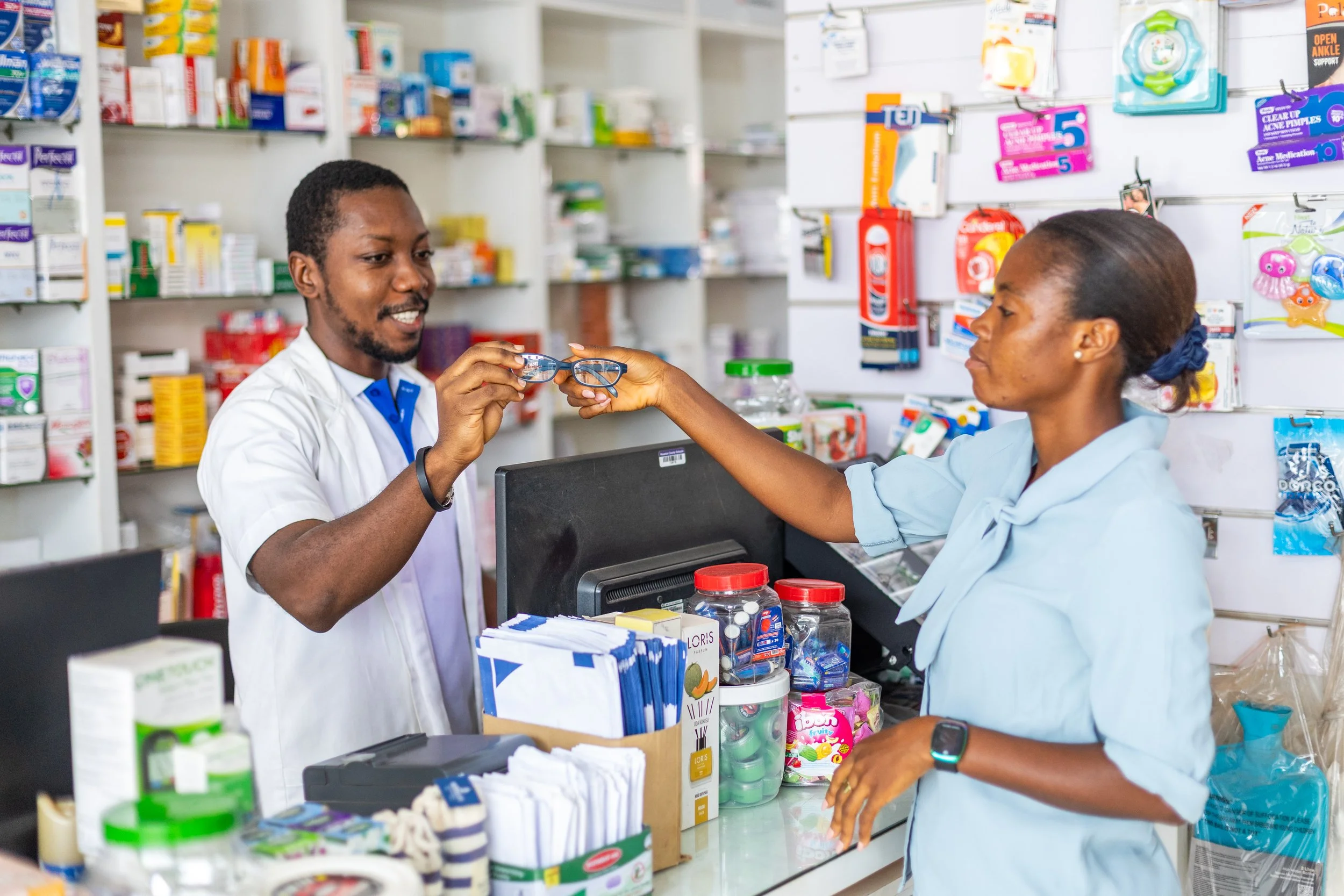
The all-in cost to deliver one pair of glasses from factory to face, and how that cost is covered. Tracked by channel — cost per pair delivered, price paid by the end consumer, or willingness to pay — and the share of cost borne by the consumer, government co-financing, and philanthropy.
06.
Livelihood Impact
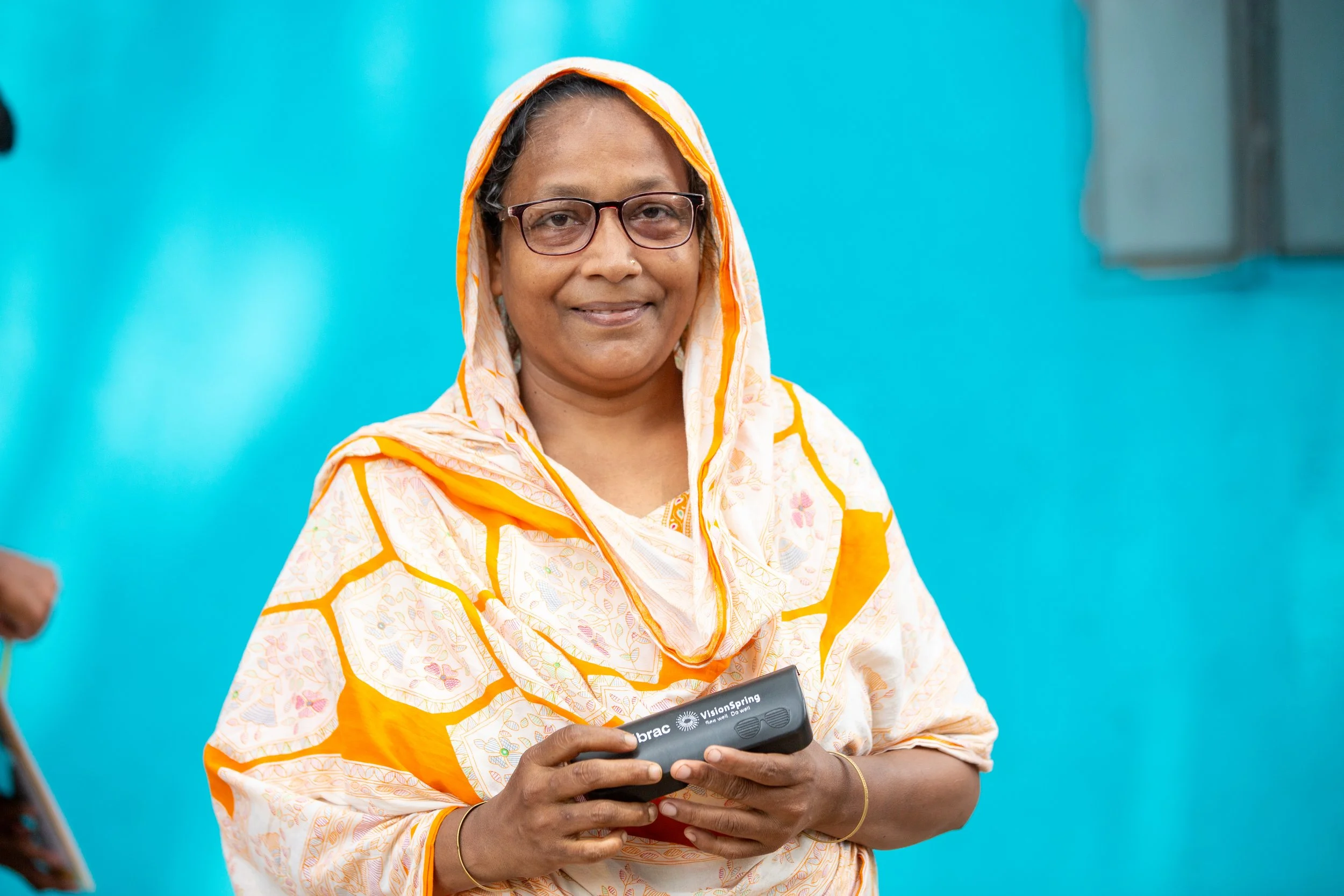
The change in a person's earning power as a result of near vision correction via income and productivity gains at work, plus the broader quality-of-life benefits that follow.
Kenya
From a health worker’s phone to the national health system.
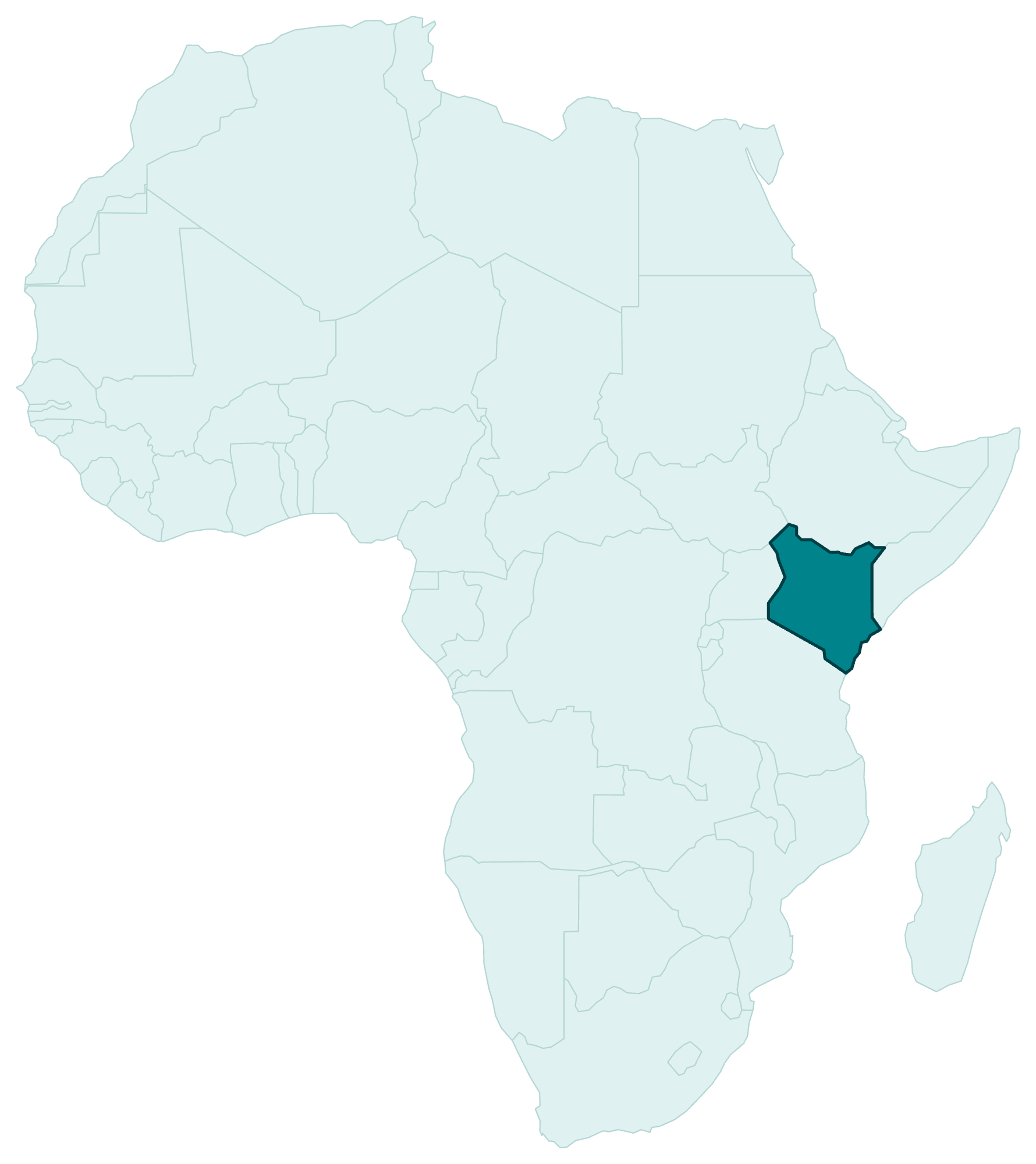
Community health promoters record screening and distribution data on their phones using a single shared digital tool. That data flows into a live dashboard reviewed jointly by counties, the Council of Governors, and implementing partners, and is reported into KHIS, Kenya's national health information system. Review happens inside routines that already exist — weekly with supervisors, monthly at facilities, and quarterly at county eye health meetings.
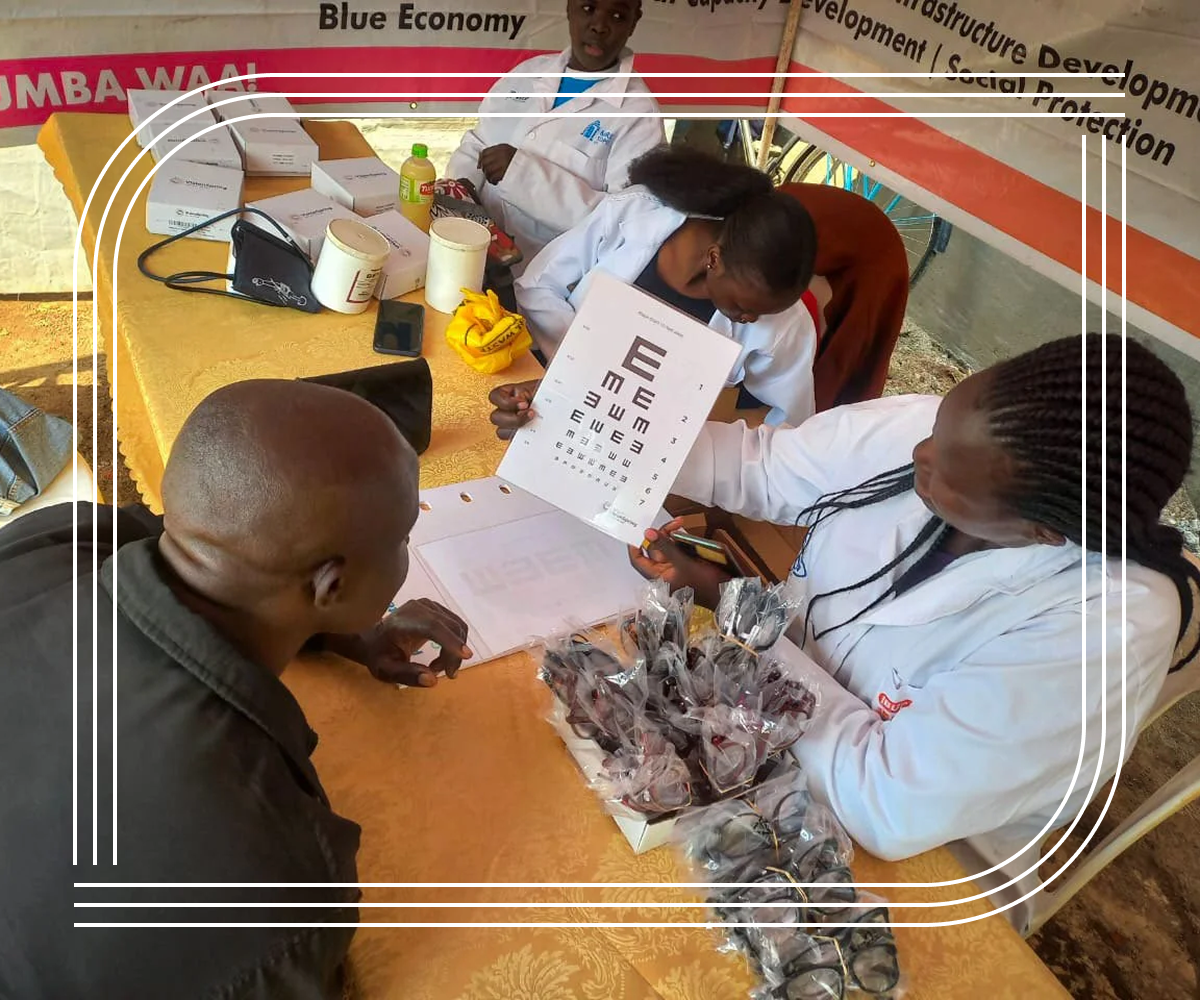
Learning what works. Sharing what we learn.
Near-vision loss affects 1.8 billion people, and a pair of reading glasses can be manufactured for under $1 — yet more than 800 million people in low- and middle-income countries still go without. We wanted to know why, and what it would take to close that gap at scale.
Our learning agenda is organized around six questions.
Each draws on partner dashboards, randomized controlled trials, behavioral research, and long-term consumer studies. We openly share what we learn, including results that surprise us — because a maturing evidence base benefits all funders, governments, and organizations working on near-vision loss.
Questions about our measurement approach? Contact us.
-
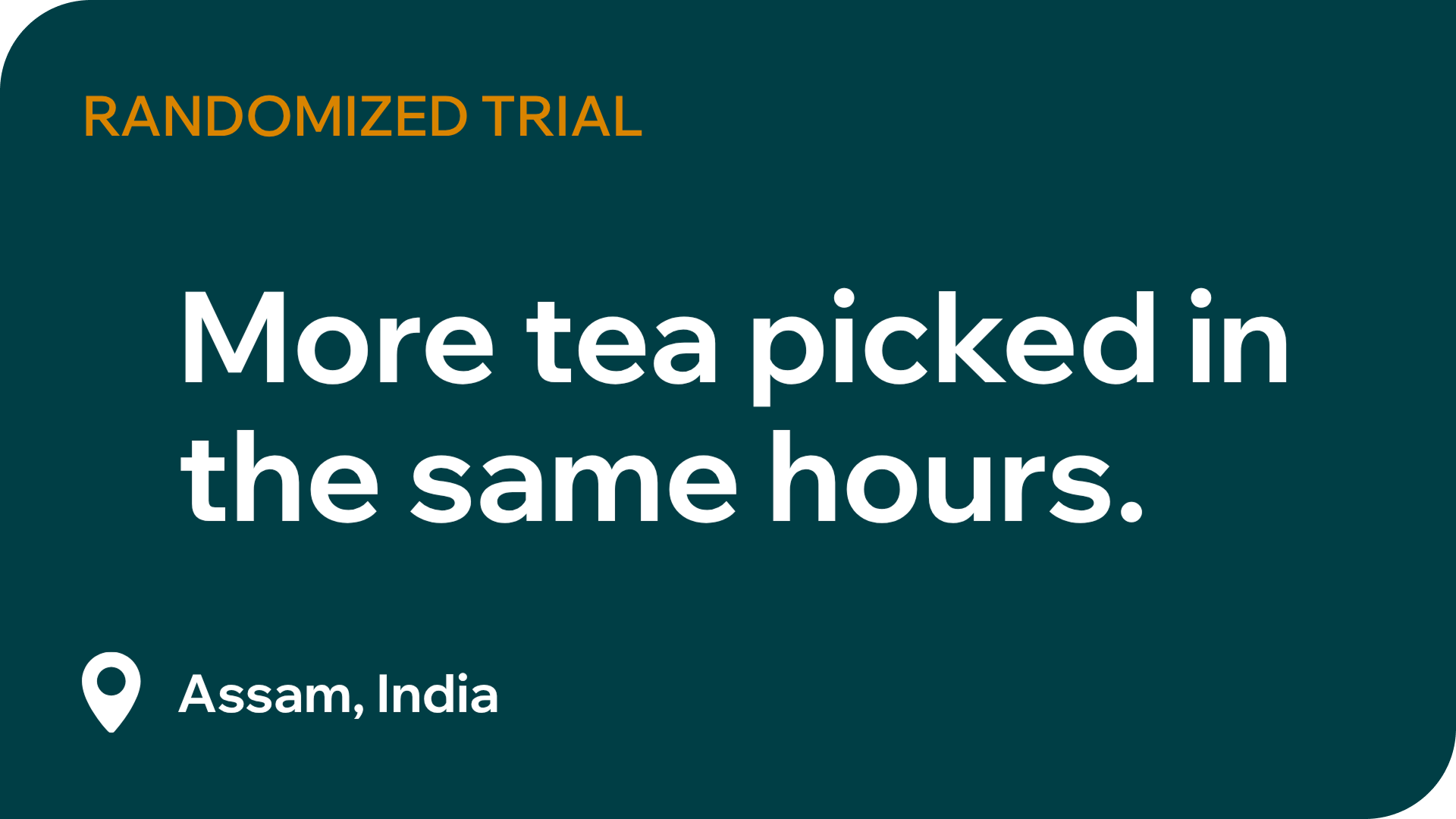
The strongest evidence comes from randomized controlled trials. PROSPER, a trial among tea pickers in Assam, India, found that reading glasses raised daily productivity by 22%, rising to 32% for workers over 50. THRIVE, a trial among workers in vision-intensive jobs in Bangladesh, found median monthly incomes rose roughly 33% for first-time wearers.
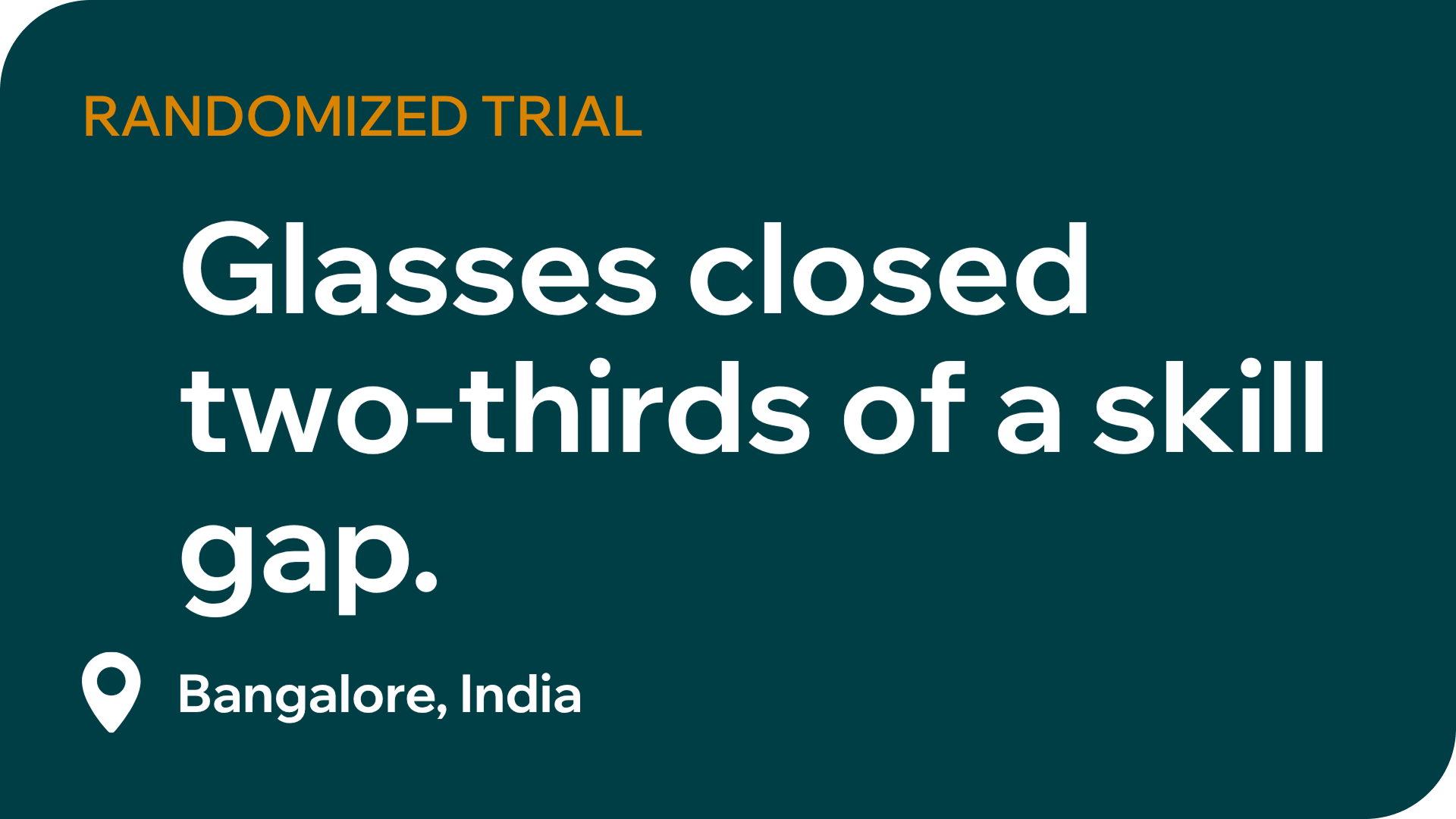
A follow-on trial, PROSPER II, extended the finding to garment factory workers, where the gains from wearing glasses was about two-thirds as large as the gap between the highest and lowest skill grades on the factory floor.
In 2024, GiveWell granted $4.8 million to the London School of Hygiene & Tropical Medicine for the EARN trial – a 20,000-person RCT in India and Kenya designed to resolve remaining cost-effectiveness uncertainties and measure the effect of eyeglasses on household consumption and vision-related quality of life among working-age adults. The study is in progress.
Multiple studies find that people with uncorrected near-vision loss often experience worse physical health, increased rates of depression, and lower overall quality of life.
(Goertz et al., Tahan et al., Reyes-Ortiz et al., Lu et al., Tseng et al.) -
We track first-time wearers as a distinct metric alongside total distribution, so we can see whether growth is reaching new people or re-supplying existing wearers. Partner dashboards report both. To date, our partners have distributed roughly 3.3 million pairs across 20 countries.
In Nigeria, where 1.5M people were screened and 1.3M people received reading glasses through the primary health system in under 12 months, a remarkable 66% of all beneficiaries received their first-ever pair of glasses.
-
Glasses are transformative.
Cohort studies across India, Pakistan, and Sierra Leone, show that nearly 90% of recipients still wear their glasses years after receiving them, and most pay out of pocket for replacements. The 2025 study in India, Seeing Beyond the First Pair, found 93% still wearing glasses five years on, and 61% had bought at least one replacement pair from a private optical shop.
-
Yes, in Ethiopia, Nigeria, India, Uganda, and Kenya, basic eye care and glasses distribution are being embedded into existing health systems–with many more countries in the pipeline.
In Ethiopia, the Ministry of Health (MOH) has integrated these services into non-communicable disease (NCD) services carried out by community health workers. The Ethiopian MOH and the Ministry of Finance now actively support the tax-exempt importation of eyeglasses, a big win in lowering commodity overhead and establishing a fiscal foundation for long-term sustainability.
In Nigeria, over 1 million glasses have been dispensed through primary health care facilities. 10 state governments are now funding their own scaled programming.
In India, reading glasses are being deployed through government-led community-based networks, including Community Health Workers (CHWs) and primary health facilities. Some states are funding the pilots, supported by partners, before scaling.
In Uganda, we are supporting Village Health Teams (VHTs) — Uganda’s nationwide community health worker cadre — to screen and dispense reading glasses via door-to-door visits.
In Kenya, basic eye care, including vision screening and the distribution of reading glasses, is being embedded into public health facilities and CHW services through two county-wide pilots, with aims to expand to all 47 counties.We track activation in every geography — the government approvals, protocols, and materials needed to launch screening and distribution — and whether the resulting data is reported into national health information systems rather than held in donor-run databases.
-
The leading indicator is whether people buy replacement glasses at full price, and long-term consumer studies (above) show most do.
In India, 93% of recipients were still wearing glasses 5-6 years later, and 61% were using a replacement pair, purchased at an average cost $7.70 – or 162% of participants’ daily wages. This indicates willingness to make a significant investment for clear near-vision. Most replacements were purchased from private optical shops (68%), followed by health facilities (29%).
We also fund research to strengthen the market itself. In Bangladesh, behavioral insights work on sales-based delivery models raised glasses sales at vision camps by 185% within two months. -
Through pilots and iterations of multiple delivery channels over the last 3.5 years, Vision Action Fund finds that integrating into existing systems–health systems, community-based networks, and private sector markets–are the most cost-effective approaches to delivery. As these channels scale, the unit economics improve.
The EARN trial, is also designed to resolve remaining cost-effectiveness questions across delivery channels.
Research and Evidence
-
![]()
Assam, India | Tea pickers over 40
A randomized controlled trial found reading glasses raised daily productivity by 22% on average, and by 32% for workers over 50. Read more.
-
![]()
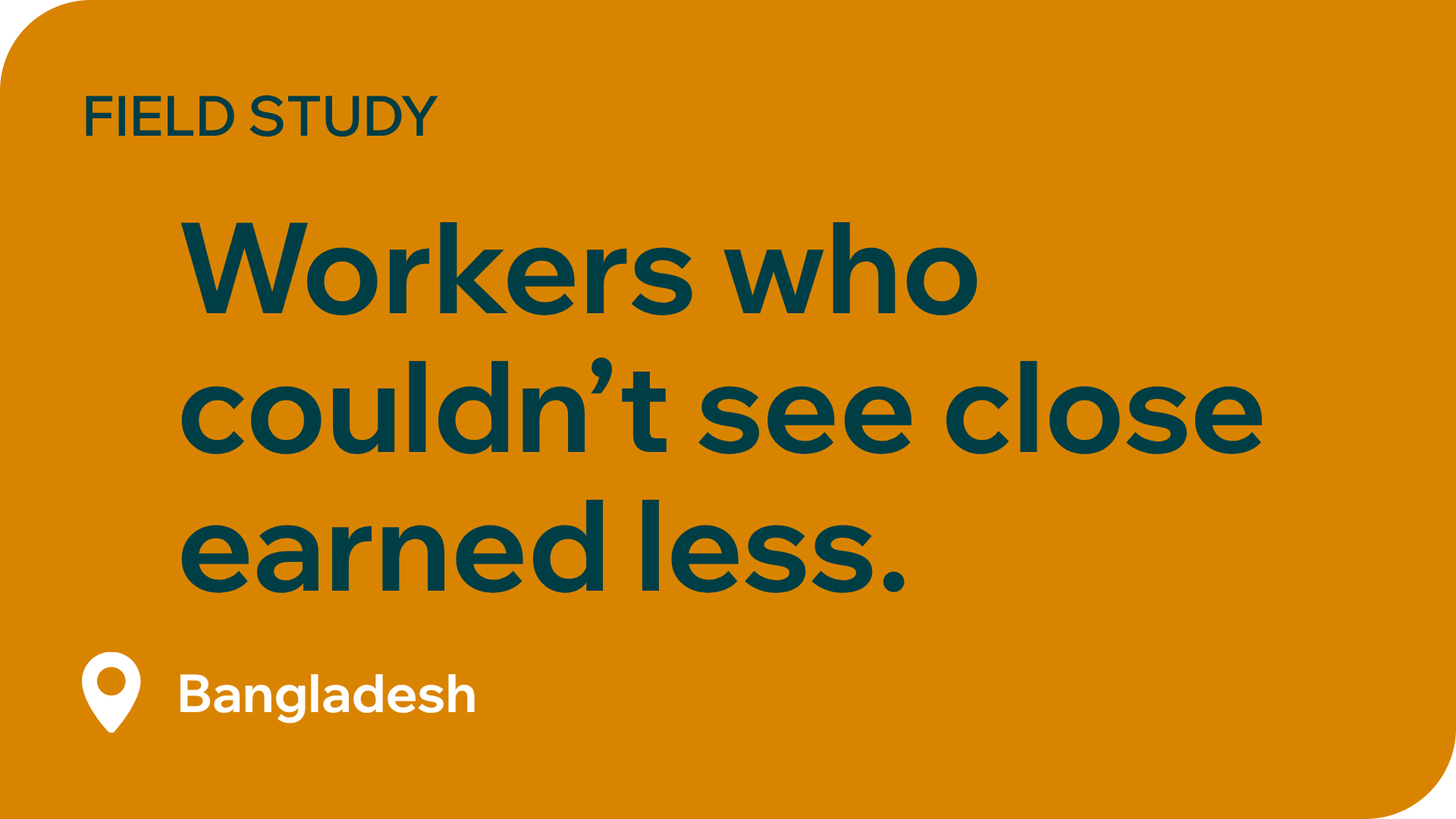
Bangladesh | Female garment workers
Workers with near-vision impairment earned $13.30 less per month than those without it, a gap that held after adjusting for where they lived. Read more.
-
![]()
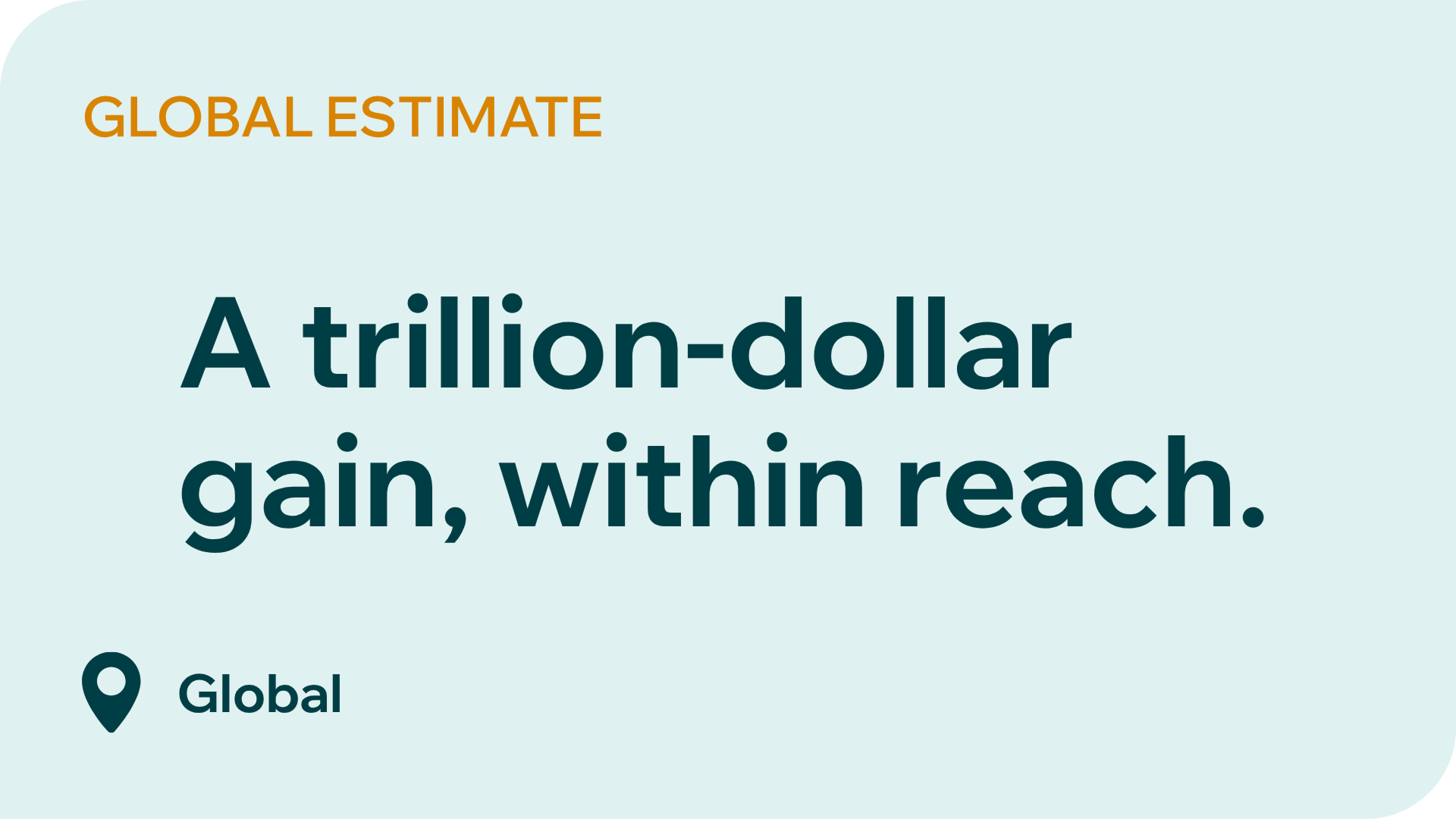
Global Estimate: Productivity Gains
Addressing presbyopia with low-cost interventions over 30 years could yield $1.05 trillion in productivity gains by 2050. Read more.
-
![]()
Bangalore, India | Garment Workers 35 and Older
Over twelve weeks, glasses raised productivity by 6% — about two-thirds of the gap between the factory's highest and lowest skill grades, at a fraction of the cost of management training. Read more.
-
![]()
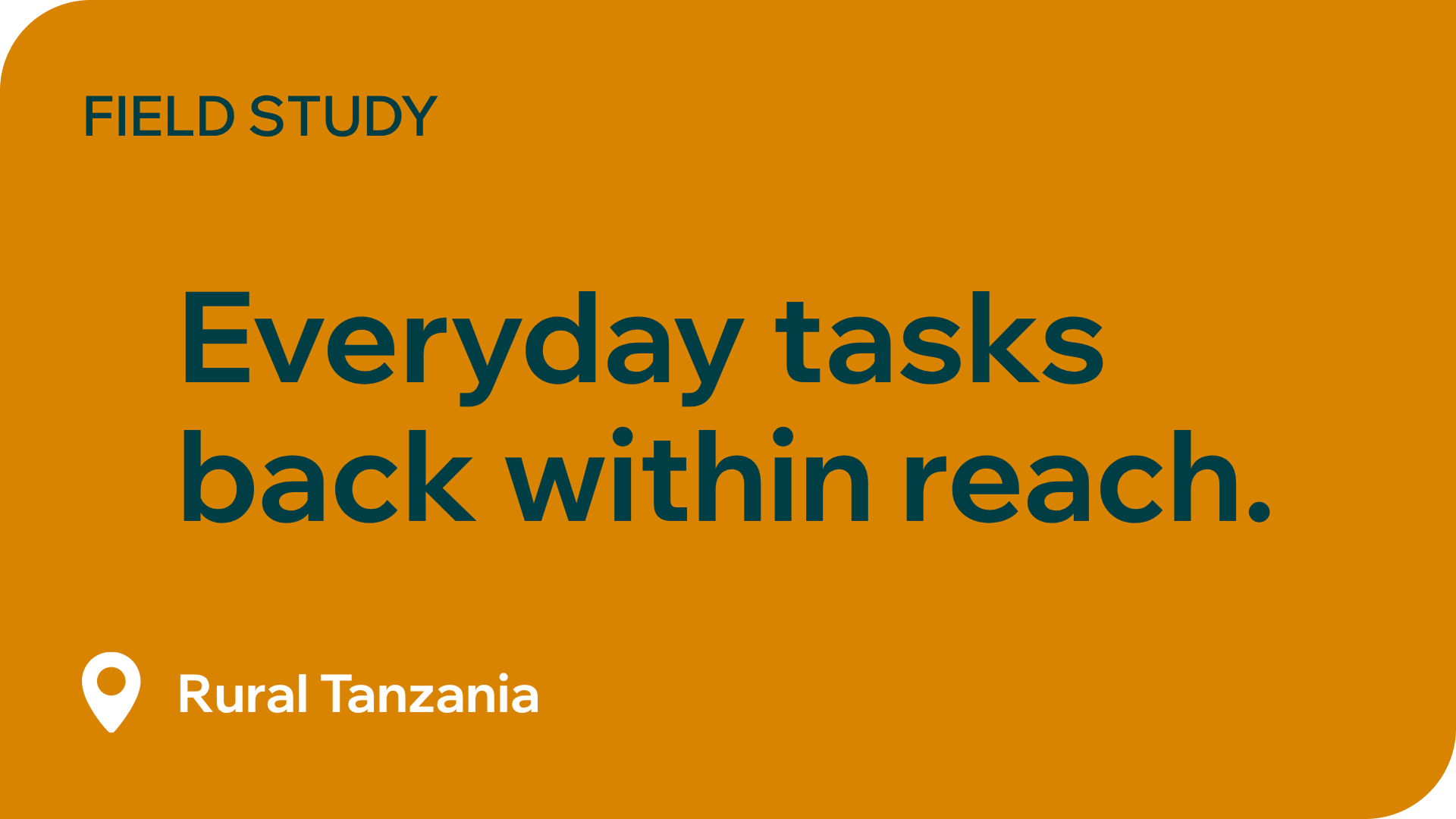
Rural Tanzania | Adults with Presbyopia
Two months after receiving reading glasses, the share of participants who could thread a needle rose from 31% to 91%, alongside gains in independence and satisfaction with near vision. Read more.
-
![]()
Bangladesh | First-time Wearers
First-time wearers earned roughly 33% more than the control group and were 38% more likely to move into a higher income quartile. Read more.
-
![]()
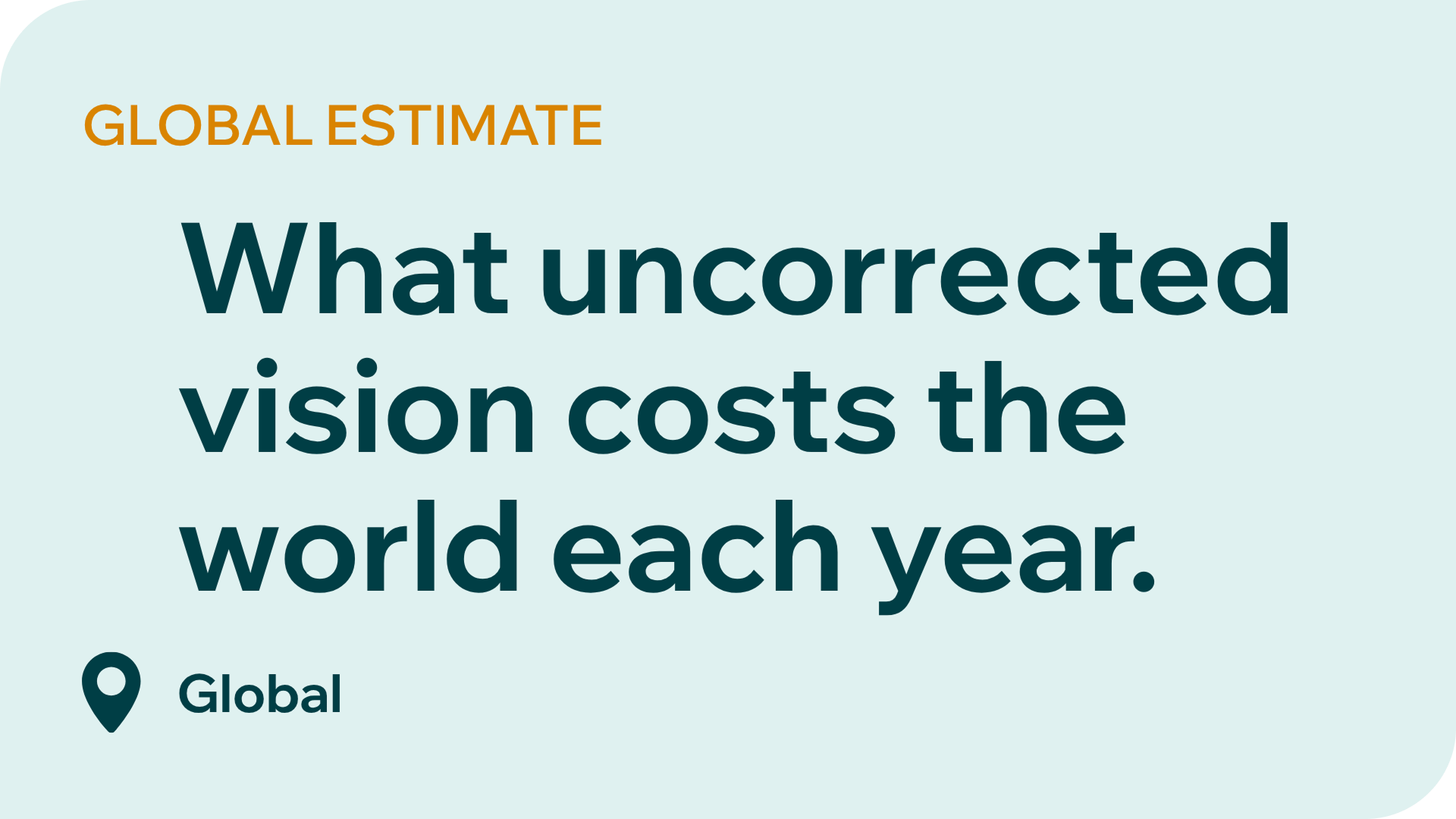
Global Estimate: Productivity Losses
Uncorrected and under-corrected presbyopia cost an estimated $25 billion in lost productivity among working-age adults in 2011 alone. Read more.
-
![]()
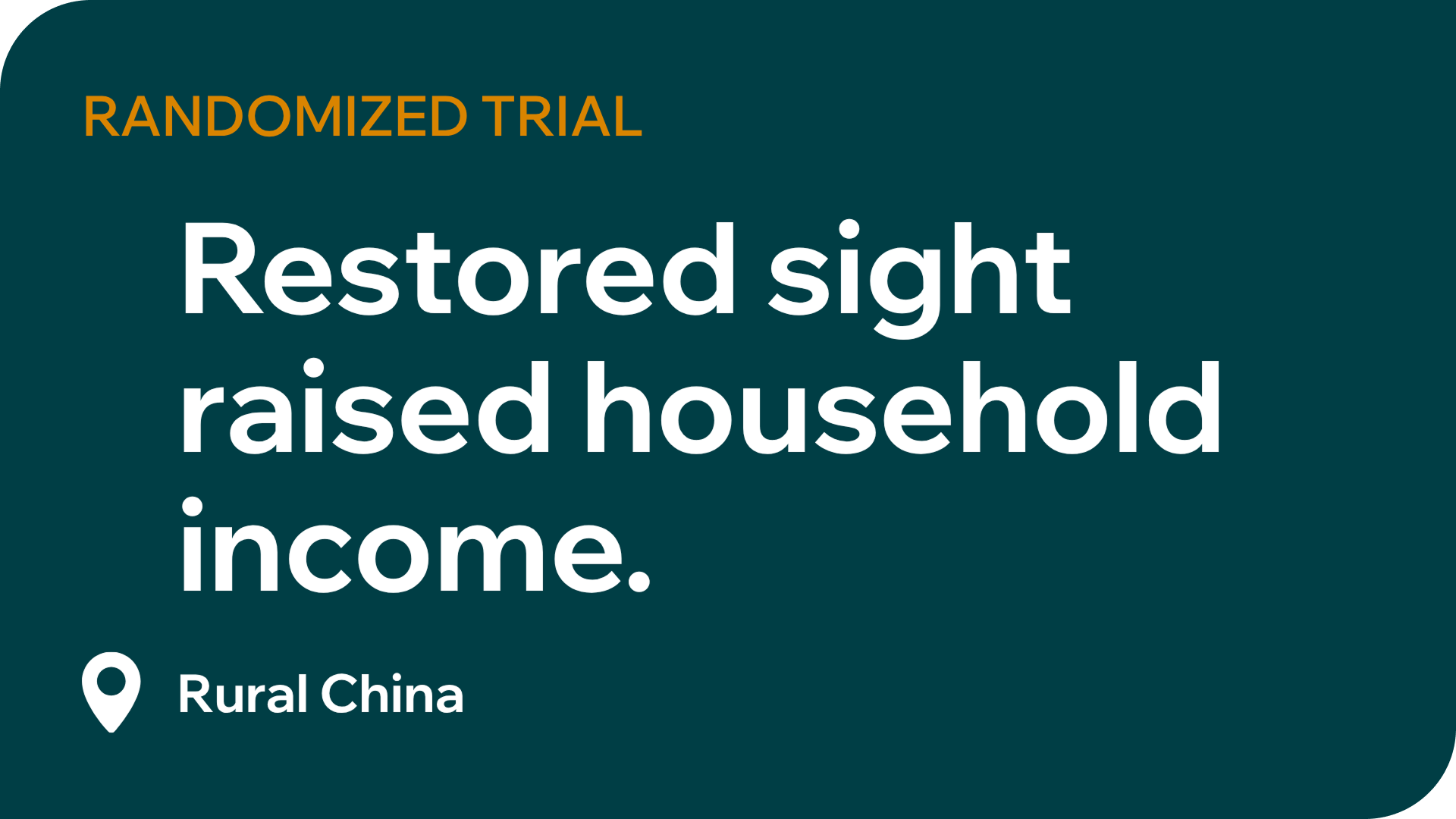
Rural China | Adults over 50 with cataracts
A proxy for vision correction more broadly: people who received cataract surgery saw a 54% increase in annual income compared with those who did not. Read more.