
Funders
Let’s transform millions of livelihoods and build systems that last.
We can fundamentally change the status quo on near-vision issues, unlocking the productivity, livelihoods, and well-being of tens of millions of individuals globally.
Globally, 1.8 billion people have near-vision impairment. In low- and middle-income countries, 800 million people struggle daily with near-vision loss without correction, undermining their ability to earn a living and support their families and their local economy.
This access gap has three main causes.
Individual
Government
Market Level
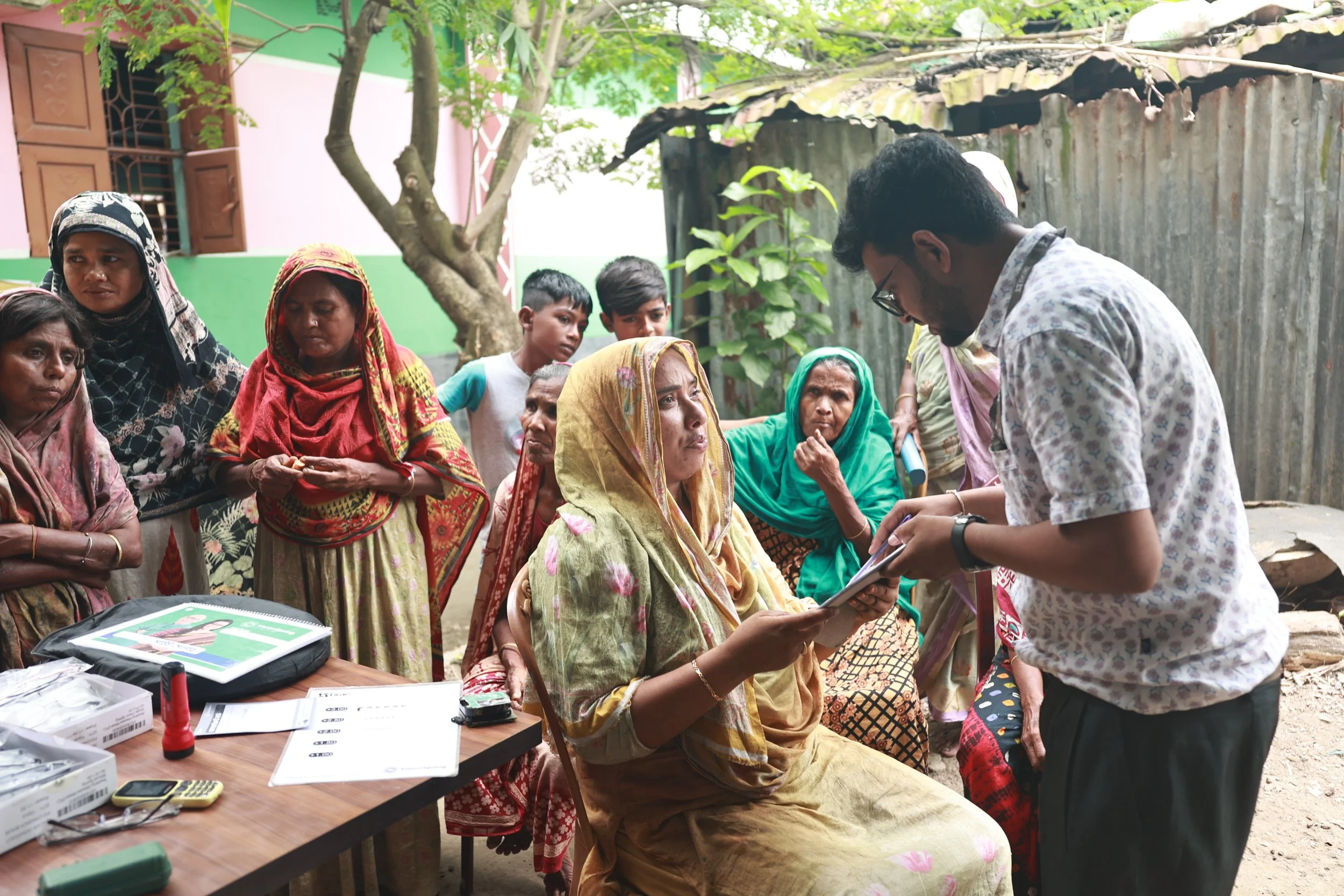
There's a huge awareness gap. Millions of people around the world assume this type of near-vision loss is simply an irreversible part of getting older, so they don't seek help. And even when people do recognize they have a vision problem that can be corrected, affordable, accessible solutions are often out of reach.
Some countries have outdated regulations that prohibit the sale of glasses without a prescription. And with fewer than one optometrist per million people in many parts of the world, those prescriptions can be costly and hard to come by.
The private sector for reading glasses is nearly non-existent. Even where demand exists, access is limited: many people live in areas with little to no optical providers, and the few options available are scarce and unaffordable, keeping hundreds of millions of people from the glasses they need.
The Case for Funding
High-return
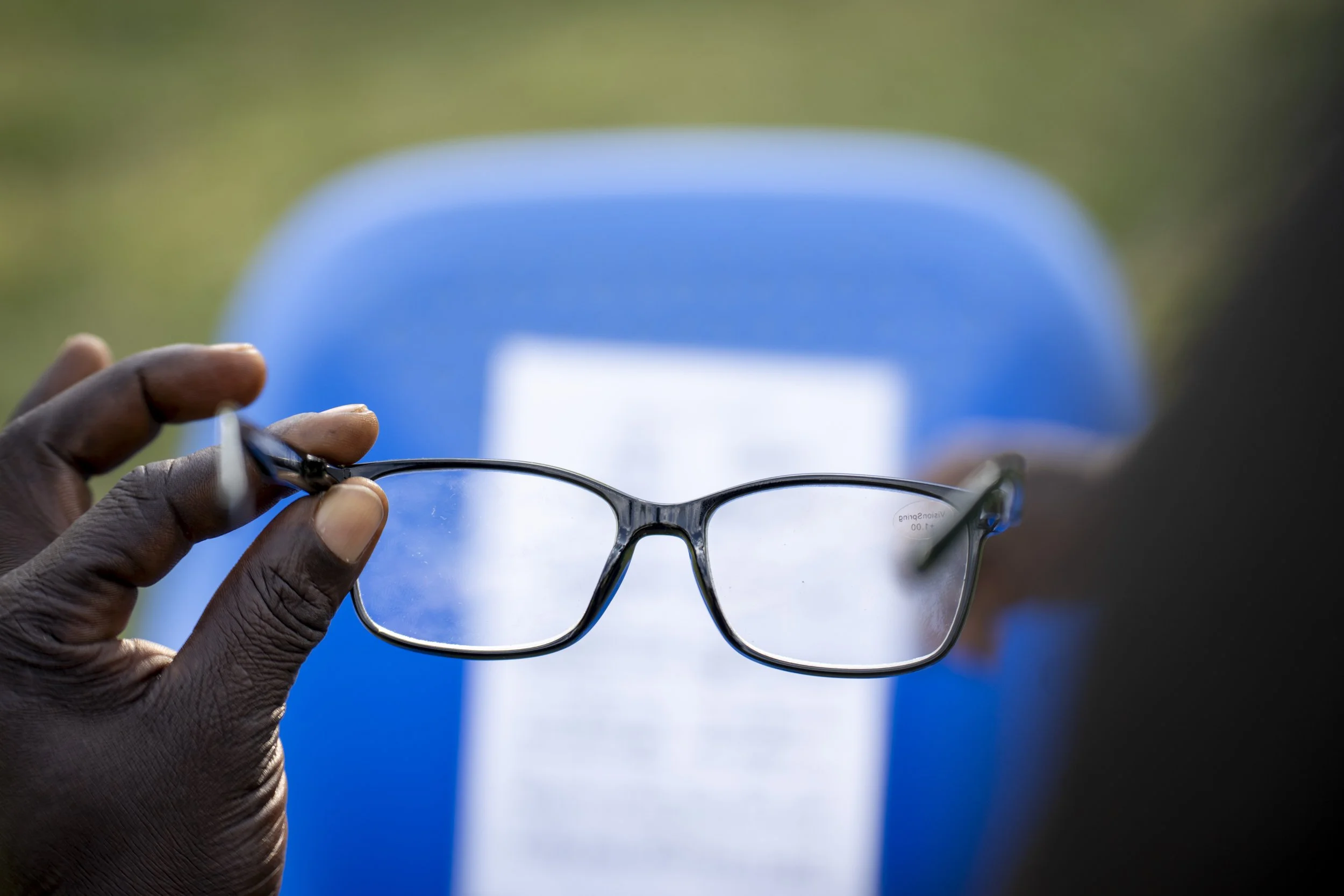
A single pair of eyeglasses has compounding returns for the individual, local economies, and the broader health system.
-
![]()
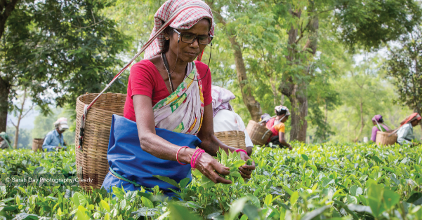
A randomized controlled trial among tea pickers in Assam, India, found that reading glasses increased daily harvest by 22% on average, rising to 32% for workers over 50.
-
![]()
A trial in Bangladesh found that first-time wearers saw median monthly income rise by roughly 33%.
-
![]()
A quasi-experimental analysis of seasonal coffee harvesters in Guatemala found a benefit-cost ratio of nearly 11 to 1.
-
![]()
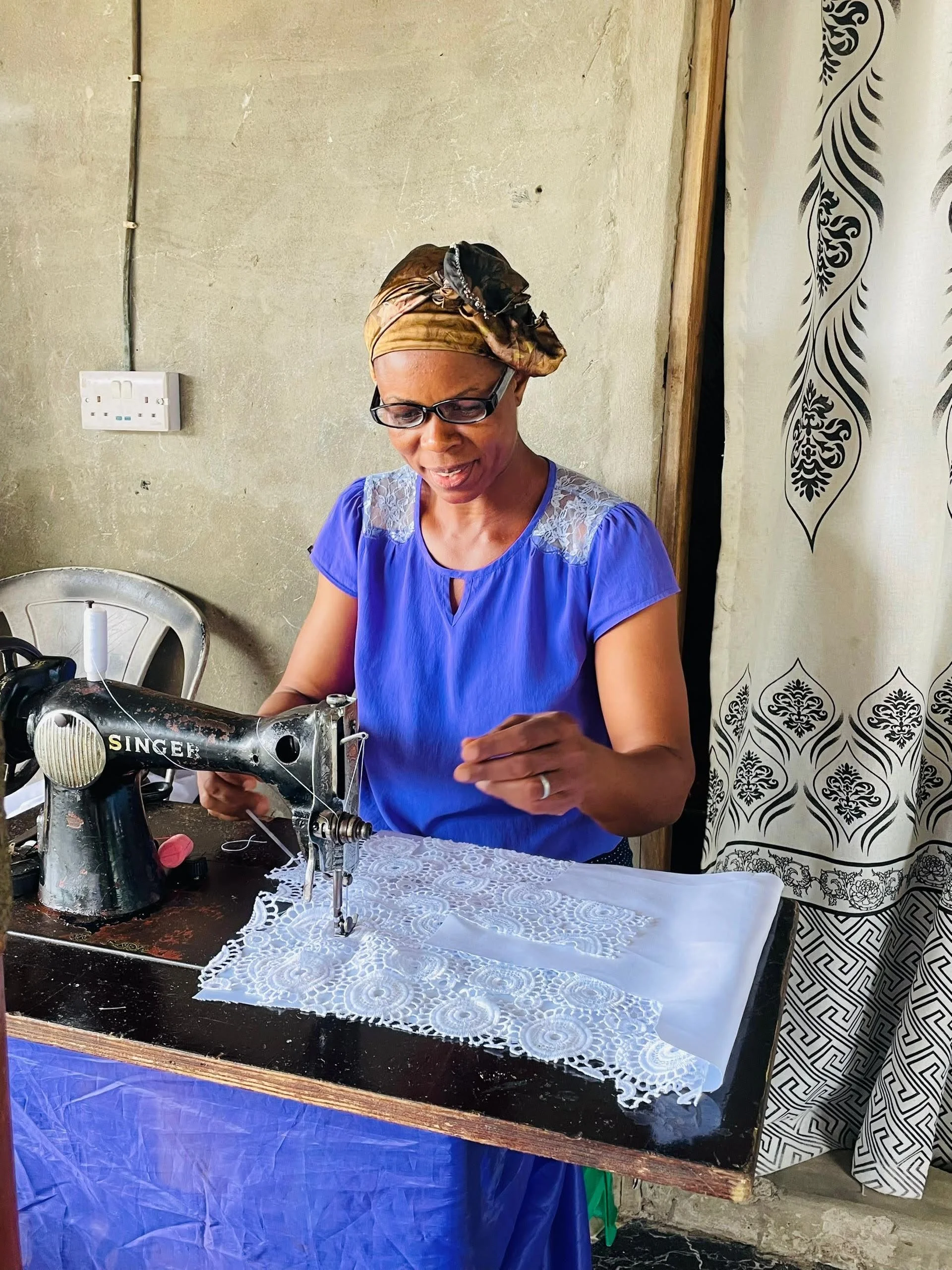
Improved vision positively affects every aspect of life and opens doors that were previously closed. People become empowered to increase their income — and to pursue other health-related interventions.
The Case for Funding
Time-bound

Phase 1
Market Activation
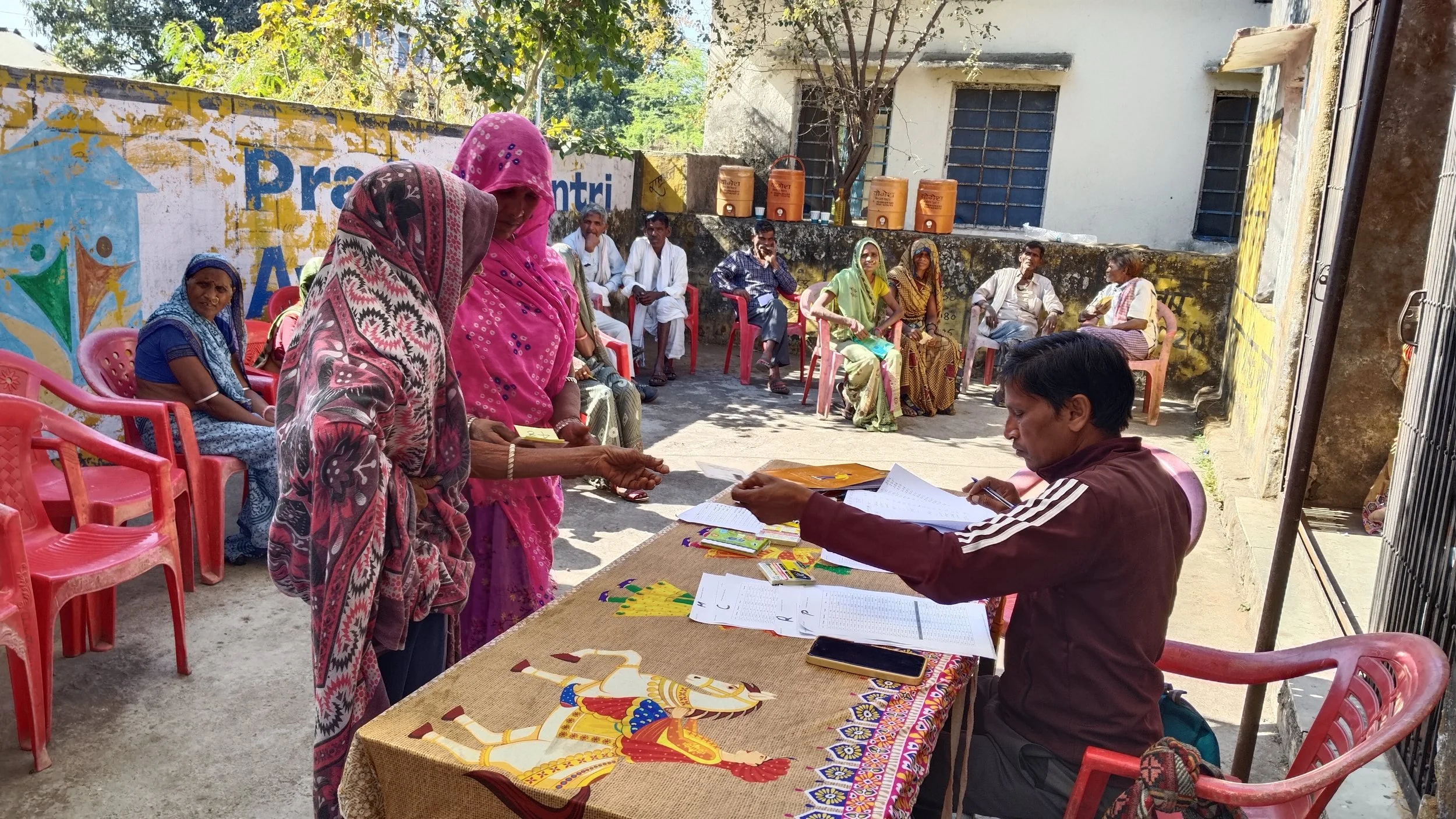
Donors temporarily subsidize a massive uptake through existing government health networks, especially in rural areas.

Phase 2
Institutional Adoption
Rising demand and documented economic gains lead governments and insurers to expand coverage and reimbursement.


Phase 3
Market Maturity
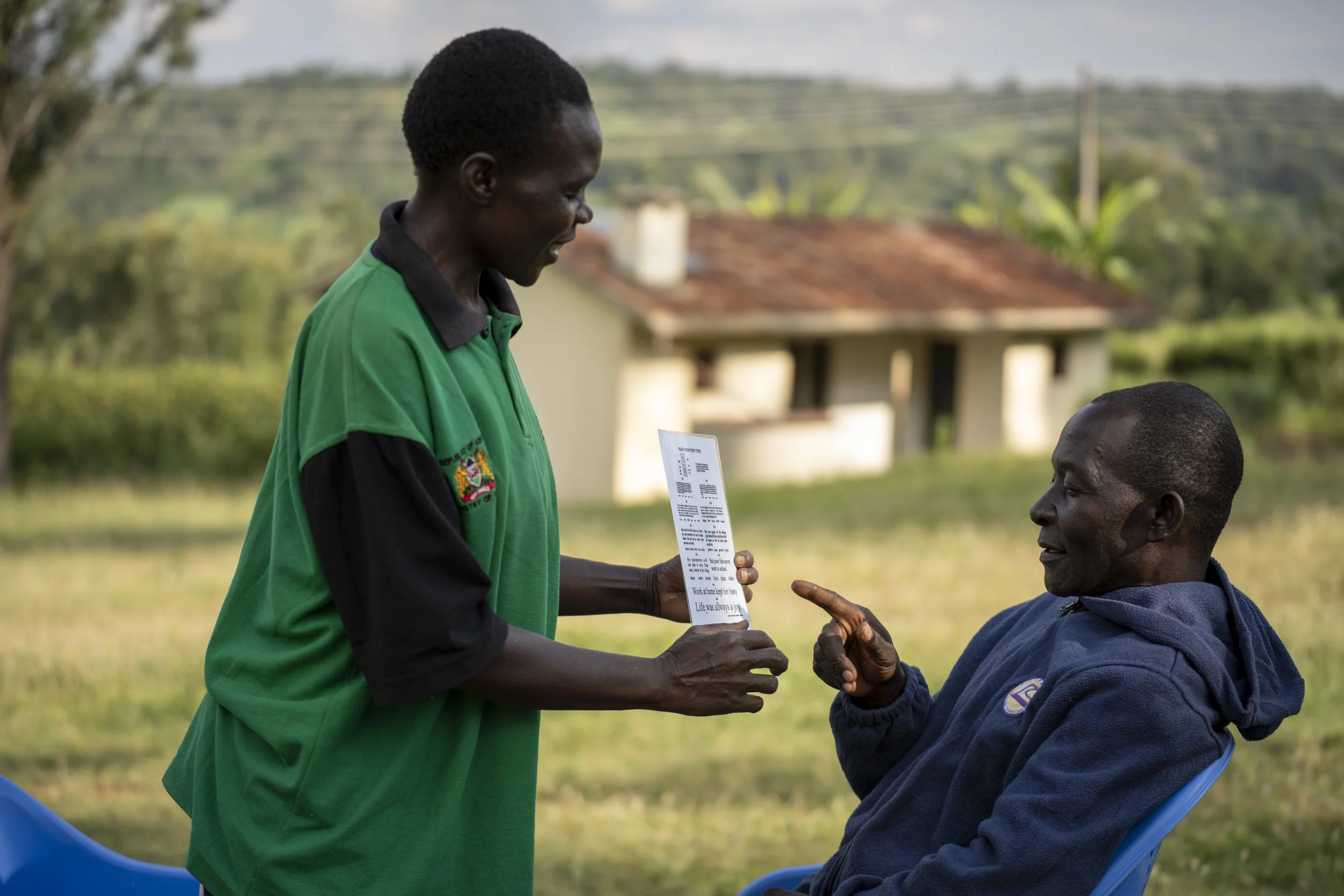
Nationwide demand supports a robust private market for readers, replacements, upgrades, and related services — while donor funding winds down to a safety net.
The Case for Funding
Catalytic
Catalytic funding buys the conditions to drive countries toward self-sustaining markets for eyeglasses.
Once someone adjusts to life with improved vision, they’re motivated to replace their glasses when the time comes. That means a self-sustaining commercial market for reading glasses emerges after the initial philanthropic capital is invested. Across three countries studied (Sierra Leone, India, Pakistan), nearly 90% of first-time recipients were still wearing their glasses five years later — and most had already bought a replacement pair at full price.
This is the tipping point where the public and private sectors take the baton from philanthropy.